When ethnic traditions meet U.S. top chefs and California’s penchant for local and organic the cuisine is nothing short of exquisite
Known for sweeping views that take in the infamous Alcatraz prison and the Golden Gate Bridge from atop any of its seven hills, as well as a moderate climate and bohemian lifestyle, San Francisco has stolen the heart of many. That may be in part thanks to two expats living in New York in the 1950s who wrote I left my heart in San Francisco, a song made famous by crooner Tony Bennett a decade or so later.
However, it was the Gold Rush of the 1850s — starting a flood of immigration from Europe, China and Japan, — that laid the foundation for what would become San Francisco’s soul. Later in the 20th century, the city again took in a stream of refugees, this time from Latin America, the Philippines, Vietnam, Cambodia, and Laos, from which emerged its unique cultural mosaic.
Nowhere does that come through more than it does in San Francisco’s restaurant scene. The city boasts some of the best chefs in the United States and when you add in California’s penchant for local, organic and fresh ingredients the result is nothing short of exquisite.
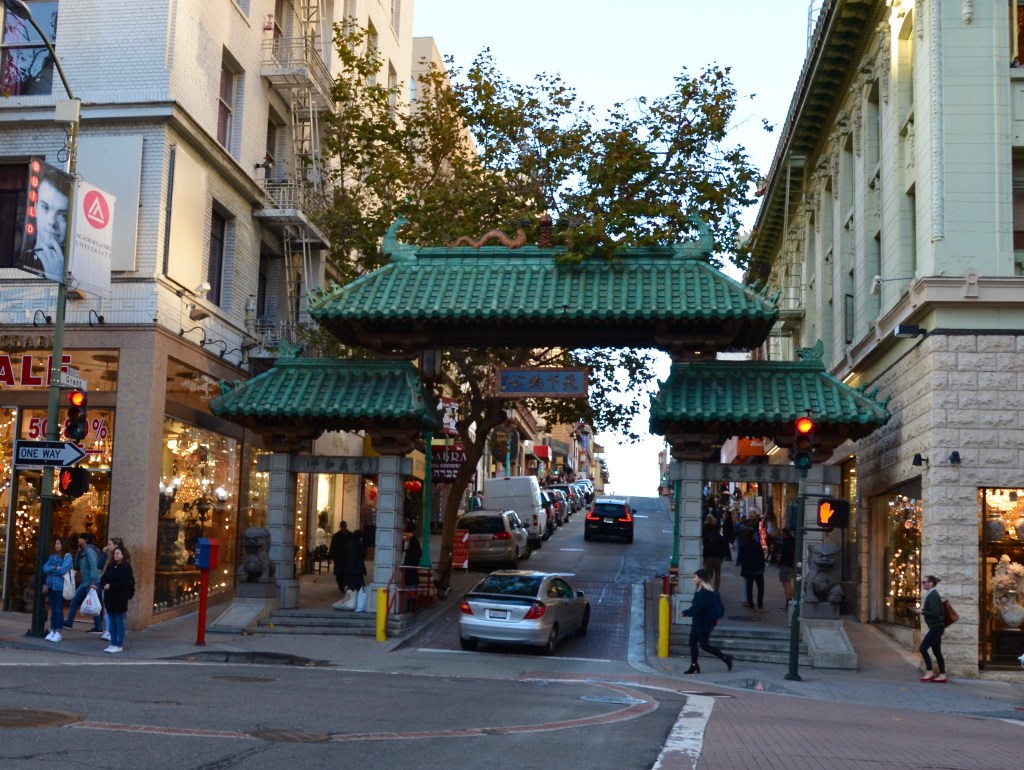
Between taking selfies at Chinatown’s renowned Dragons Gate, strolling Fisherman’s Wharf, and visiting museums, galleries and famous landmarks, I sampled some of what the rising stars of San Francisco’s ethnic food scene are serving up.
China Live Market Restaurant From a perch at the dumpling bar, while sipping on a mocktail of pineapple juice, basil, ginger beer and a fine dusting of Szechuan spices, I watch as four large Sheng Jian Bao (ground pork) dumplings go from steamer to frying pan before being topped with black and white sesame seeds and scallions. I’m still dreaming about those dumplings. I also recommend the Peking duck — slow roasted, glazed with kumquat and served inside fresh, light sesame pockets — paired with charred Chinese broccoli with king oyster mushrooms and roasted sesame seeds. The dining room’s eight stations allow patrons to watch the chefs in action. Plates are great for sharing.

Omakase Although Jackson Yu, executive chef and owner, was born in Beijing, everything else in this Edomae-style sushi bar is made in Japan. The fish comes in from Tokyo’s renowned Tsukiji Fish Market three times a week; Wagyu beef from Miyazaki; and Yu imports the best Nigiri sushi rice. After tossing back a thimble-full of warm sake to “awaken my appetite,” I leave the menu decisions to the chef, which is what Omakase means. Yu delivers a flame-seared Tachiuo — Japanese beltfish — marinated in sake and served with egg yolk, orange zest and thin slices of cucumber, then deftly prepares sashimi for me and the businessmen I’m seated between. The mild blue fin tuna and smoked amberjack are memorable. I watch Yu, as he deftly cups sticky rice in the bend of his fingers, tops it with fish, and lightly grated fresh wasabi root, the first of many Nigiri, including bluenose flame-seared with skin on and dusted with lime zest; Toro, a fatty blue fin tuna, with white sturgeon caviar; and Wagyu beef seared and topped with pomegranate arils and edible gold. A reservation is required.
La Mar Cebicheria Peruana This is my first go at Peruvian cuisine, which I’ve heard described as a combination of indigenous traditions and Asian fusion. At La Mar, in the historic Pier 1½ Ferry Terminal, Peruvian-born executive chef Victoriano Lopez has created a menu of traditional dishes with a modern twist. A starter of halibut cerviche was served with red onion, habanero pepper, corn, sweet potato and cilantro; which was followed by a traditional causa — creamy whipped potatoes (Peru grows more than 3,500 varieties) served with Dungeness crab, avocado and creamy aji amarillo sauce; and Lomo Saltado, slow cooked flat iron steak with tomatoes, cilantro, garlic, soy and oyster sauce. A dark chocolate mousse with quinoa meringue and lucuma ice cream was a perfect finish.

(Note: Sadly, since my late 2019 visit, a few of the places I ate at have closed their doors, including a wonderful Indian restaurant with superb cocktails and a fun North African supper club. However, there is no shortage of great restaurants in the city, no matter what cuisine you are looking for.)
The writer was a guest of San Francisco Travel. The organization did not review the article.
Where to stay
- Located at the corner of Montgomery and California, Omni San Francisco Hotel is within walking distance of Union Square, Chinatown, the Ferry Building and North Beach and is on the California cable car line. The repurposed 1920s Financial Center Building features high ceilings, crown moulding, mahogany and cherrywood furniture, oversized marble vanities in beautifully appointed bathrooms and plush beds, along with a “quiet night” policy.
- If it’s a stunning view you’re after, the floor-to-ceiling windows at the InterContinental San Francisco in the SOMA district offer unimpeded views of city landmarks and the bay, with the best reserved for the executive and club rooms, which come with lounge access and a hearty hot and cold breakfast buffet. A contemporary décor in teal, royal blue and grey, brings the ocean vibe inside. The Asian Art Museum and the San Francisco Museum of Modern Art are both within walking distance, as is public transportation.




What to do
Asian Art Museum You can easily spend a day combing through what is considered one of the most complete collections of Asian art in the world. The museum, in the heart of the Civic District, boasts 18,000 permanent pieces (not all on display at once) of art, ceramics and jewellery from Turkey to India, China, Korea, Japan, Cambodia, Indonesia, Thailand, Myanmar, the Philippines and Vietnam.
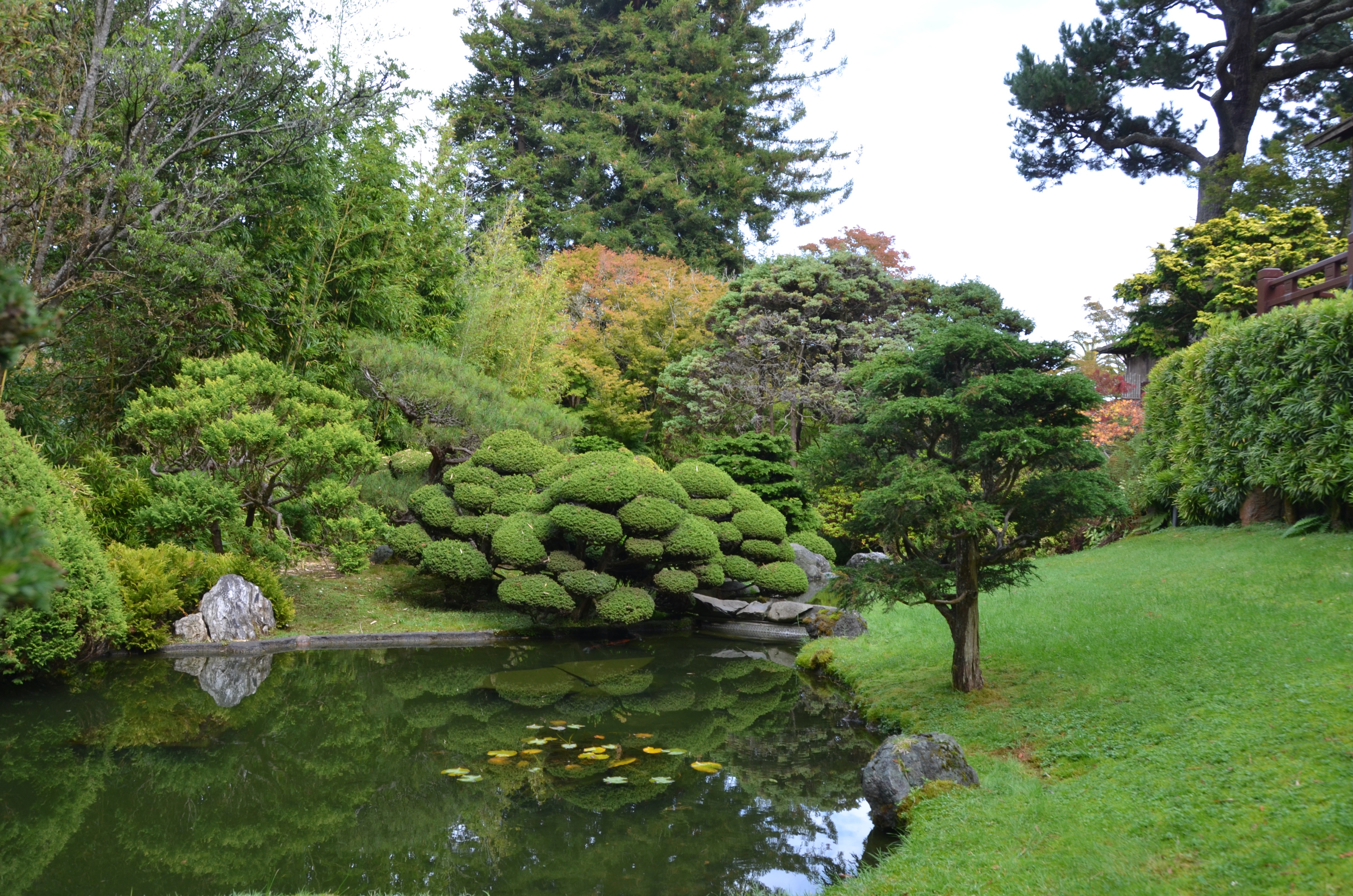
Japanese Tea Garden This nearly two-hectare serene garden and Tea House at the heart of Golden Gate Park is a fraction of the size it was before the Second World War. Conceived for the 1894 California Midwinter International Exposition, it was transformed into a permanent garden a year later by Makoto Hagiwara an affluent Japanese landscape designer. Hagiwara erected a Tea House and pavilions and perfected the landscaping, expanding the garden to five times its original size, importing rare Japanese birds, goldfish, bronze items, and plants. Hagiwara, who emigrated from Japan in 1878, brought with him kata — black iron cookie presses — to make senbei or bell crackers, that were then folded with a fortune inside. The crackers were savoury, but to cater to North American tastes he made a sweet batter. Stop in at the teahouse for tea and fortune cookies.
Chinatown Exploring the 30-some-odd blocks of North America’s oldest and largest Chinatown can be daunting but stepping off the made-for-tourists street has its benefits. I spent a morning among the locals shopping at herbalists, fruit and vegetable markets, and peering into butcher shops with pigs and ducks hanging in the window. Wandering down one alley way, I discovered the Golden Gate Fortune Cookie Factory where an elderly woman works warm disks of dough into the familiar-shaped cookies said to be invented here. The factory, which began operations in 1962, handcrafts some 10,000 cookies a day in traditional vanilla, chocolate, strawberry and green tea.
 Travell'n Truman